


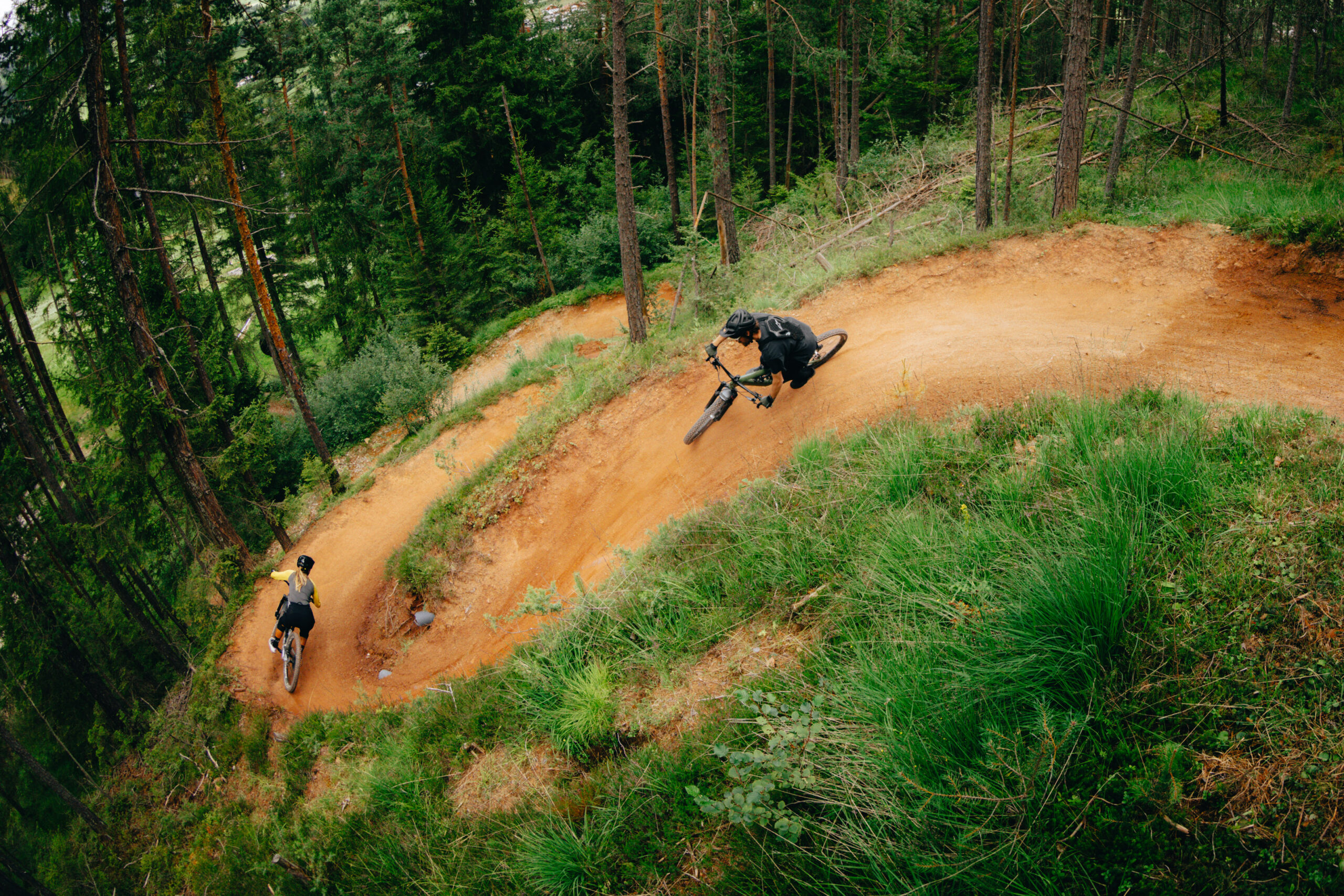
Last summer, we had the opportunity to visit Plan de Corones and get a firsthand look at a mountain bike community that's now firmly established, yet continues to look ahead. Building a strong identity isn't just about new trails and infrastructure investments: supporting local riders is also key. Jan Laner, Nadine Ellecosta, and, most importantly, the very young Aaron Wiechenthaler are three examples of a movement that's growing alongside the Bike Park.
When we visited Plan de Corones last summer – find our article HERE – we found ourselves faced with a reality that has now reached its own maturity in the bike scene, but which shows no intention of stopping.
The three sides of the mountain, the variety of trails, the facilities, and the work done in recent years speak to a project that continues to evolve. But there's an aspect that goes beyond trail construction and maintenance that, in our opinion, is equally important: the desire to build a strong and recognizable bike identity, also investing in the people who can become the interpreters of that reality.
Supporting local riders isn't just about associating a name with a destination. It means contributing to the growth of the movement, adding value to the industry, and, above all, allowing talented young people to try and transform their passion and extraordinary skills into something greater.
And this is where they come into play. Jan Laner, Nadine Ellecosta and Aaron Wiechenthaler.
Jan Laner: Plan de Corones as a daily gym
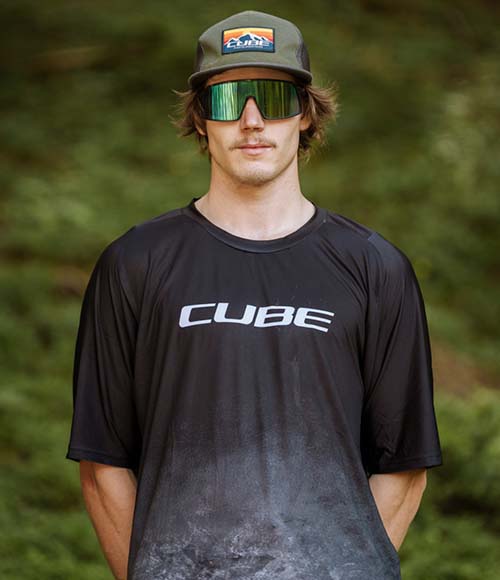
During the days spent at Plan de Corones we had the opportunity to get to know Jan Laner, a rider who grew up in Val Pusteria and has already won the overall Italian Cup title.
Jan struck us as a very goal-focused young man, with a clear idea of the path he wants to follow. And Plan de Corones is inevitably an important part of his preparation.
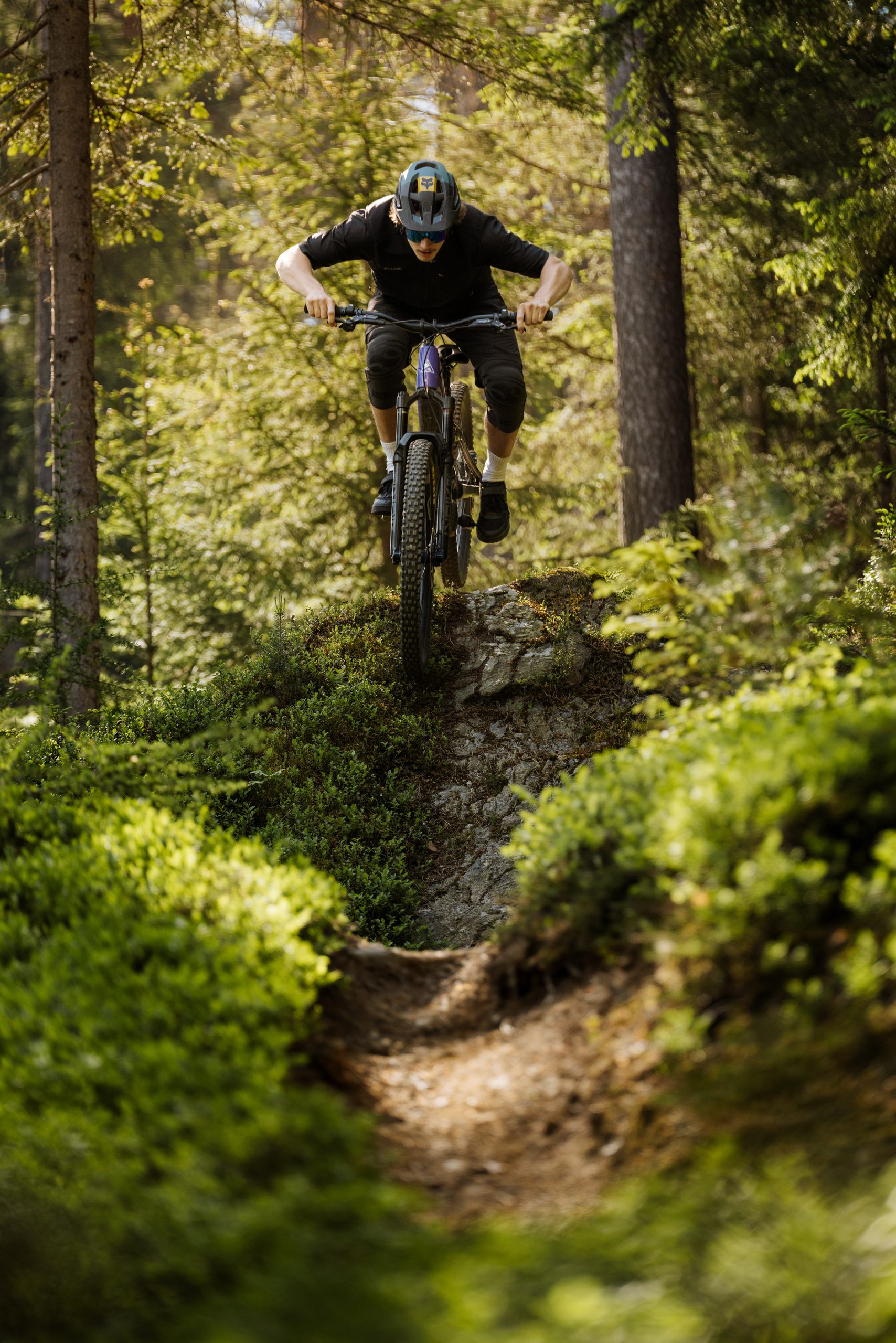
"The many beautiful mountains and the landscape made me feel comfortable with mountain biking from an early age," he says. This connection to the area has also transformed over time into a concrete training opportunity: "The Kronplatz has always been an ideal training ground, both uphill and downhill."
The variety of Gravity lines, the technical features and the possibility of using the facilities allow for very different training days to be created, working on technique but also on the physical component necessary to face competitions.
Nadine Ellecosta: Working Out at Home
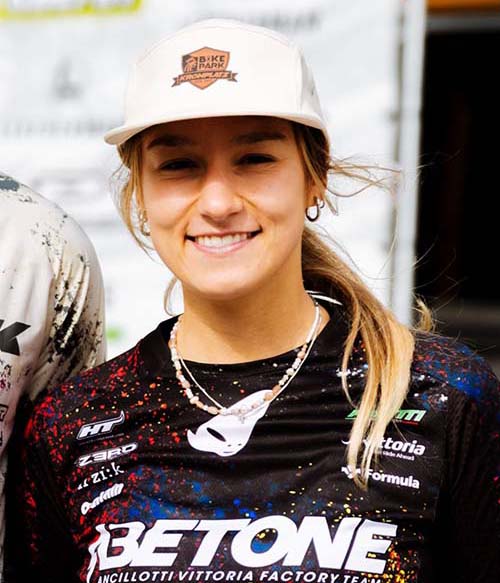
Different, but equally linked to the territory, is the experience of Nadine EllecostaFor her, Plan de Corones is first and foremost home.
“For me, coming back to pedal in Kronplatz feels like being at home,” he says.
As an Enduro athlete, Nadine can take advantage of one of the most interesting features of the area: the ability to travel on three sides and find trails with very different characteristics.
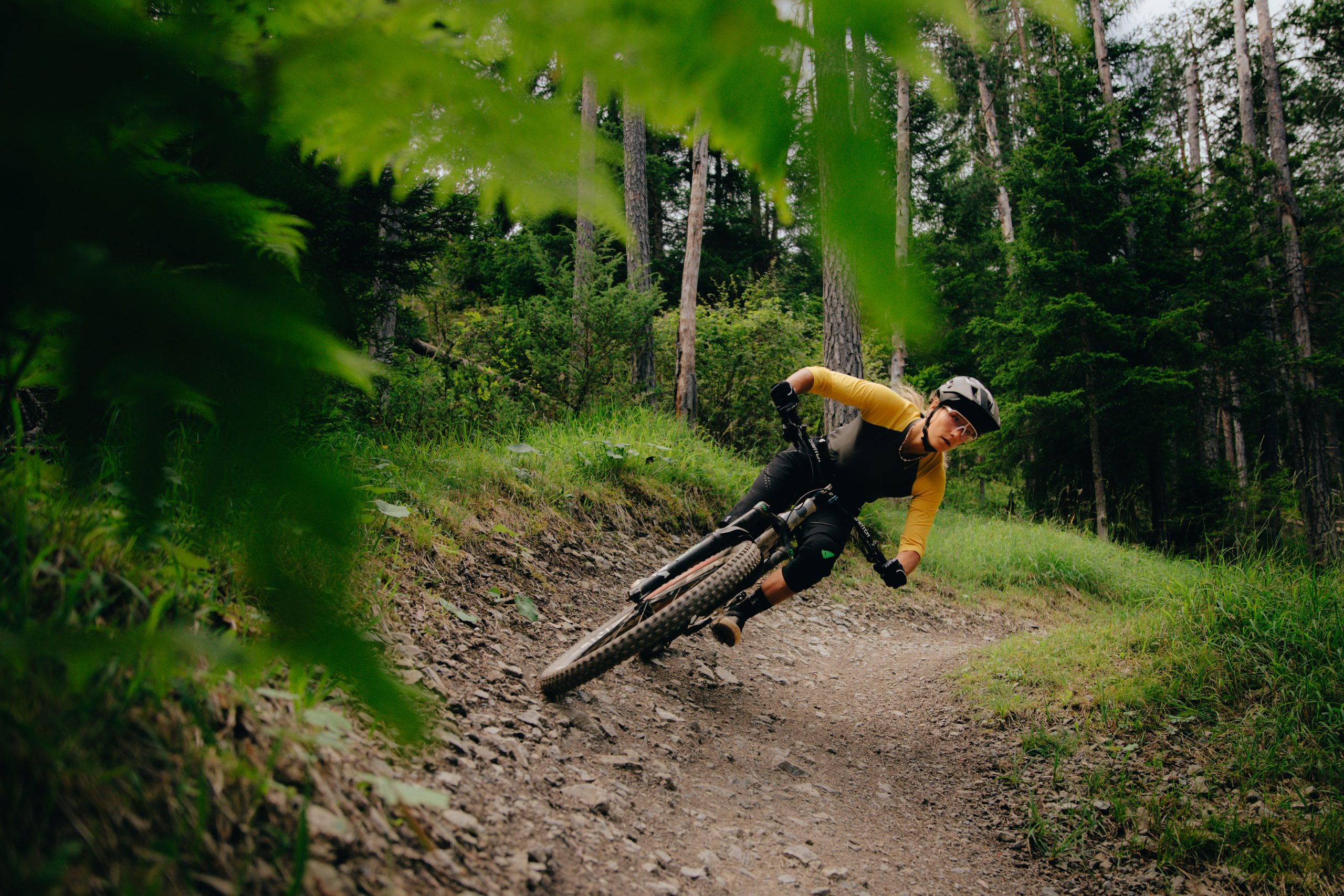
She's also a rider who's been able to observe the Bike Park's evolution firsthand over the years. "They've worked hard and well, and they've improved a lot."
For those who practice enduro, being able to vary the length, terrain, speed, and difficulty is a major advantage when preparing. "You can do long rides, lots of different trails, and different characteristics: it's perfect for training."
Aaron Wiechenthaler: a name to remember
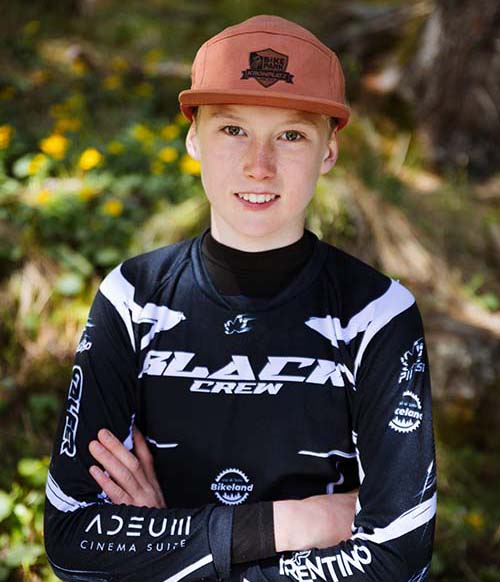
If Jan had struck us with the determination and clarity of his objectives, during our stay at Plan de Corones Aaron Wiechenthaler was the one who particularly surprised us..
Aaron is very young, but it only takes a few turns behind him to realize that there is something interesting.
The naturalness with which he drives, the technique already extremely developed despite his age and, we can say it from direct experience, the objective difficulty in trying to keep up with him, are elements that are difficult to go unnoticed.
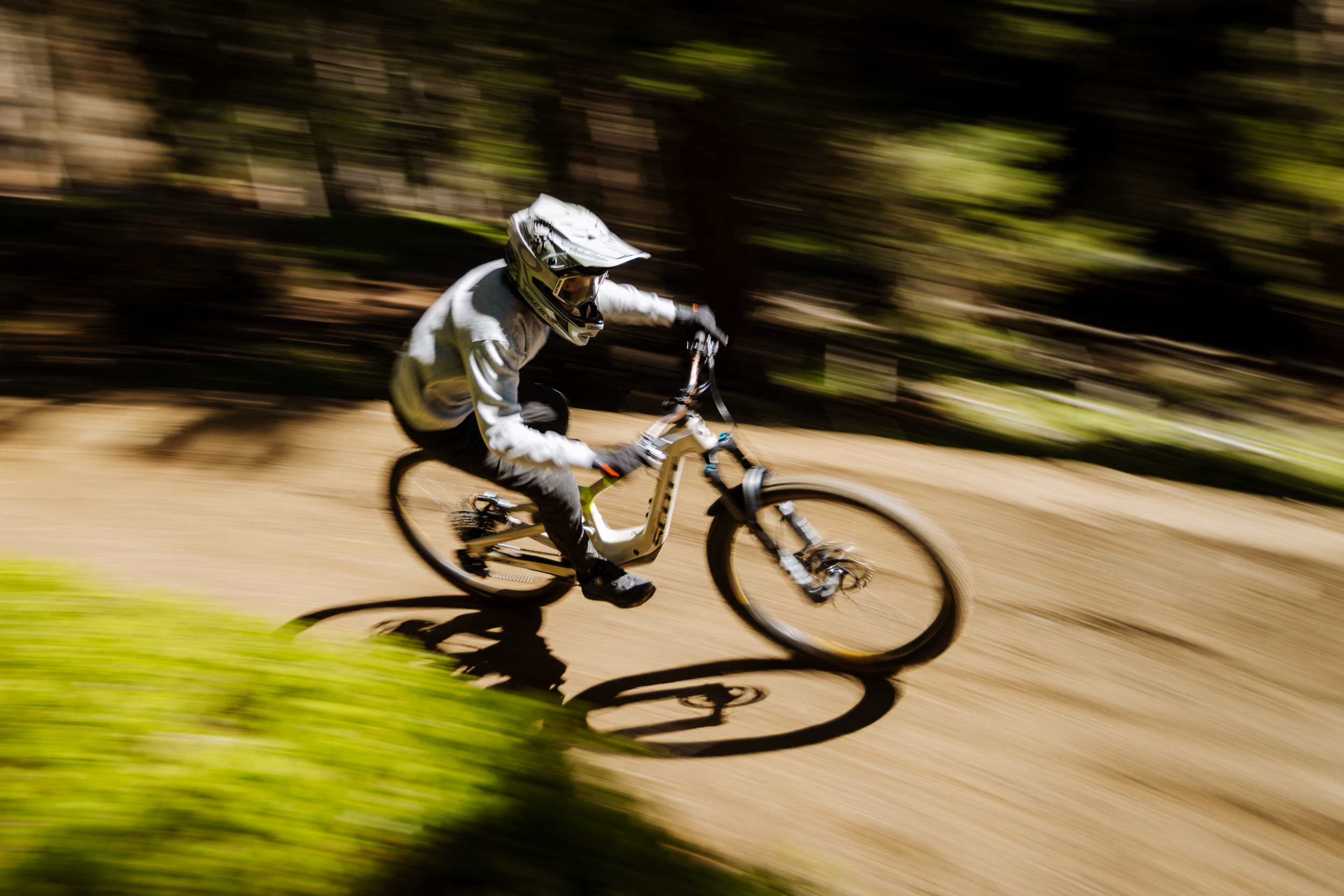
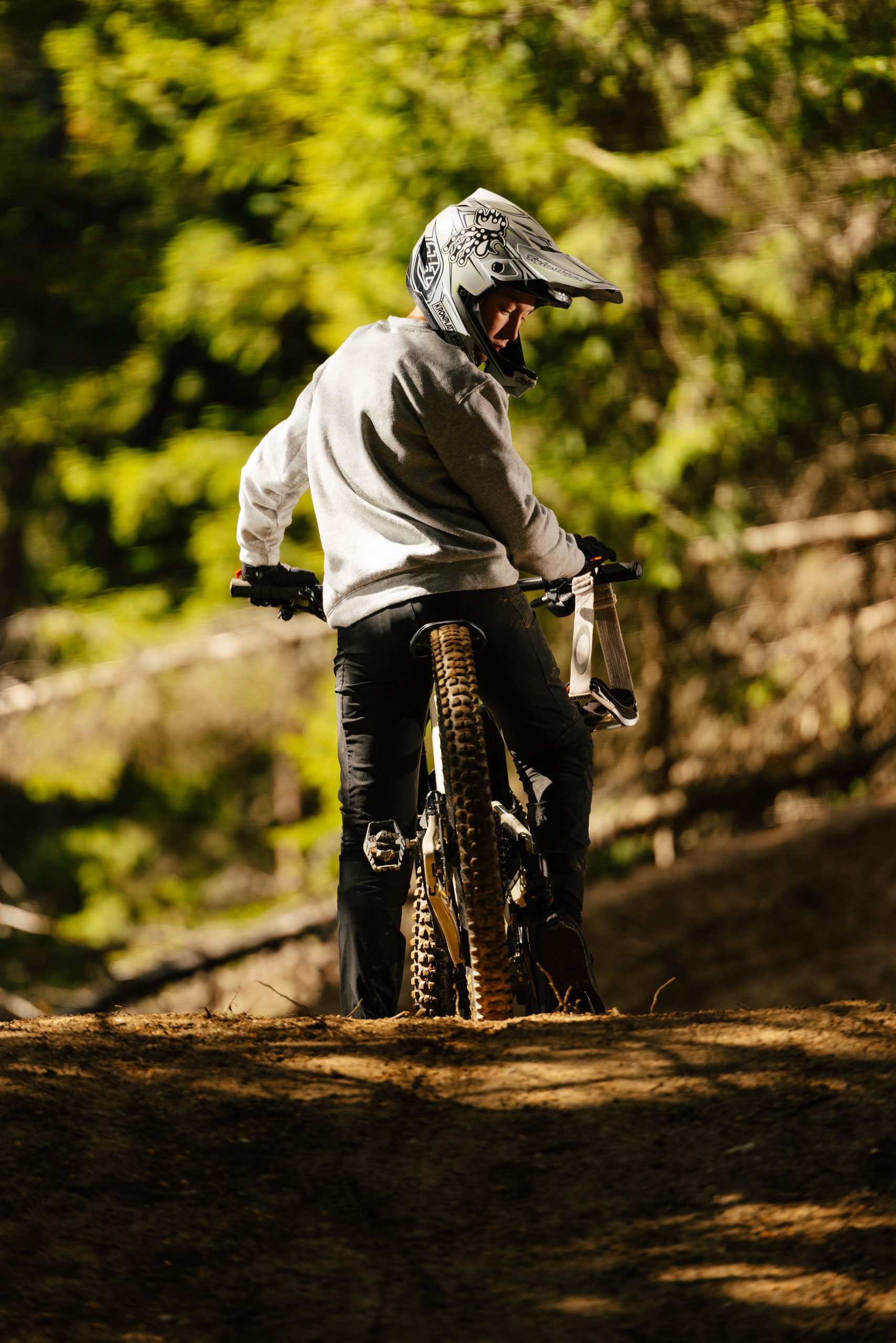
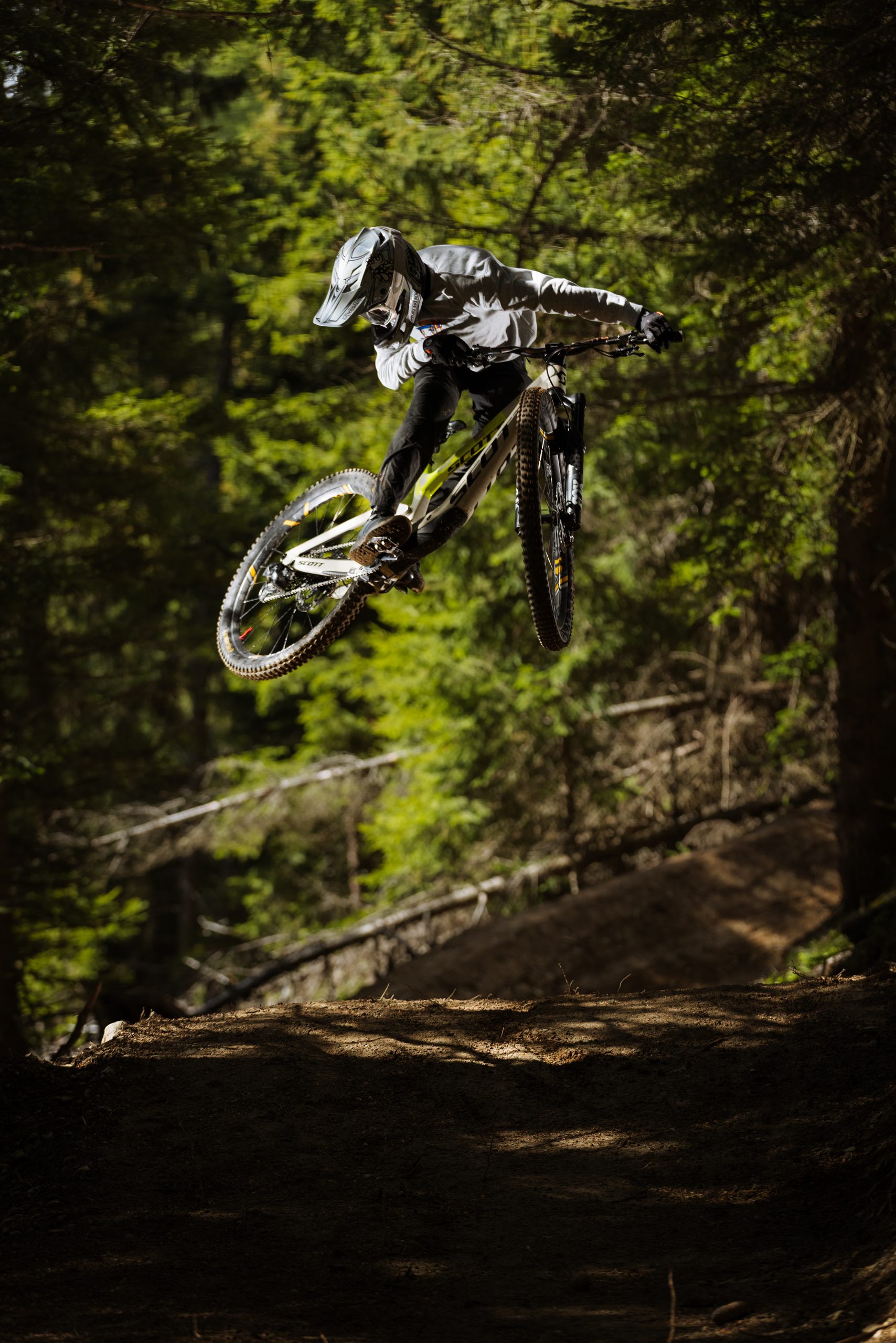
Raised in Bressanone, Aaron represents the new generation of riders who find a facility like Plan de Corones an ideal environment to develop. Jumps, roots, rocks, technical sections, and fast sections allow him to constantly work on his riding.
“The best place to see me is on the Plan de Corones hill: it has everything I need for training,” he says.
And growth also comes from comparing yourself with more experienced riders. It's no coincidence that Aaron points to Jan as one of his role models: "Jan Laner is a role model for me; I sometimes go cycling with him at Plan de Corones."
A simple sentence, but one that perhaps explains better than many other things why creating a local movement is so important.
It's not enough to build trails
It's easy to measure the growth of a destination by counting new trails, kilometers of trails, or investments in facilities. More difficult, but probably even more important, is build a bike culture around those trails.
And this is where the Plan de Corones project takes on an interesting meaning.
Supporting riders like Jan, Nadine, and Aaron means creating a bond between the Bike Park and those who use those trails every day to train, improve, and compete. It means offering young riders a close and tangible reference point, while also giving talented riders the opportunity to pursue their sporting career.
It's a virtuous mechanism: the territory helps riders to grow and the riders, through their results and their history, contribute to growing the identity and credibility of the destination.
Our summer visit had already given us the impression of a solid bike park, with a clear direction and still room for improvement. Meeting some of the guys who train on those trails daily added another piece to the puzzle.
Because the future of mountain biking doesn't just involve increasingly beautiful trails. It also involves the ability to create the conditions for the next generation to emerge.
And if we're to judge by what we saw while riding behind Aaron, that new generation is already going really strong at Plan de Corones.

