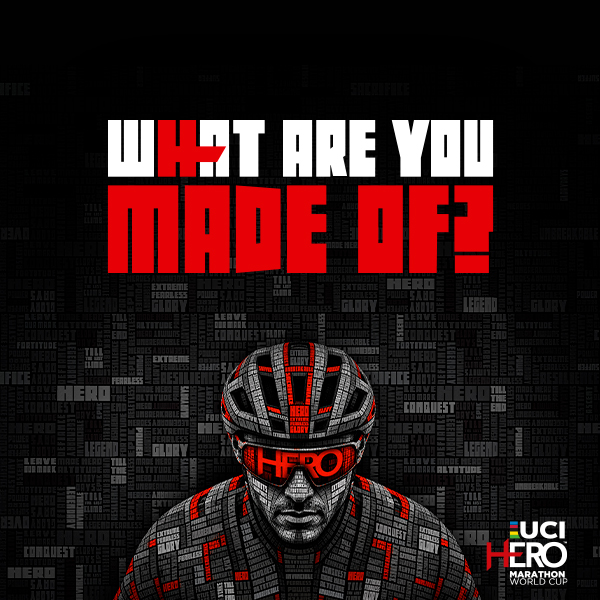
Five events, four countries, over 440 kilometers of racing and 16.100 meters of elevation gain. The UCI HERO Cross-Country The Marathon World Cup has finalized its 2027 calendar, confirming a formula that seems to have rediscovered the marathon's true meaning: competition, of course, but within a broader experience encompassing territory, distance, environment, and self-discovery. Two stages will be in Italy, in Riva del Garda and Selva Val Gardena.
2026 has yet to fully celebrate its protagonists, but the UCI HERO Cross-Country The Marathon World Cup is already looking ahead to next season. The 2027 calendar, validated by the UCI Management Committee, includes five events spread across Italy, Andorra, Germany, and Spain.
We will start the May 1st from Riva del Garda, with its debut in the Garda Trentino Bike Marathon circuit. 23st May it will be the turn of Naturland Andorra, in the Pyrenees, while the 12nd June The World Cup will return to Italy for the HERO Südtirol Dolomites in Selva Val Gardena.
After the early summer break, the 25th July The circuit will move to Kirchzarten, Germany, for the Black Forest ULTRA Bike Marathon. The final September 19 in Girona-Costa Brava, in Spain, with La Tramun Sea Otter Europe.
Five races for over 440 kilometers and 16.100 meters of total altitude difference.
The marathon is more than just a race
But do the numbers really tell the story of what this World Cup is becoming?
In our opinion at 365, only in part.
One of the most interesting aspects of the format is in fact its ability to bring back the very concept of marathon within its most natural dimension. Competition and the confrontation with opponents remain fundamental, but they become part of something bigger.
A marathon is about exploring the terrain, managing energy, and the ability to read the route and adapt to what's happening. It's about effort, distance, and the environment. And above all, it's about challenging yourself and your own limits.
You compete against others, but for many—even at the highest level—the primary competition remains internal: understanding how far you can go, how to handle difficult moments, and how long you're capable of continuing when the miles and elevation gain begin to take their toll.
This is probably where marathon cycling distinguishes itself from other competitive forms of mountain biking.
Italy of the marathon
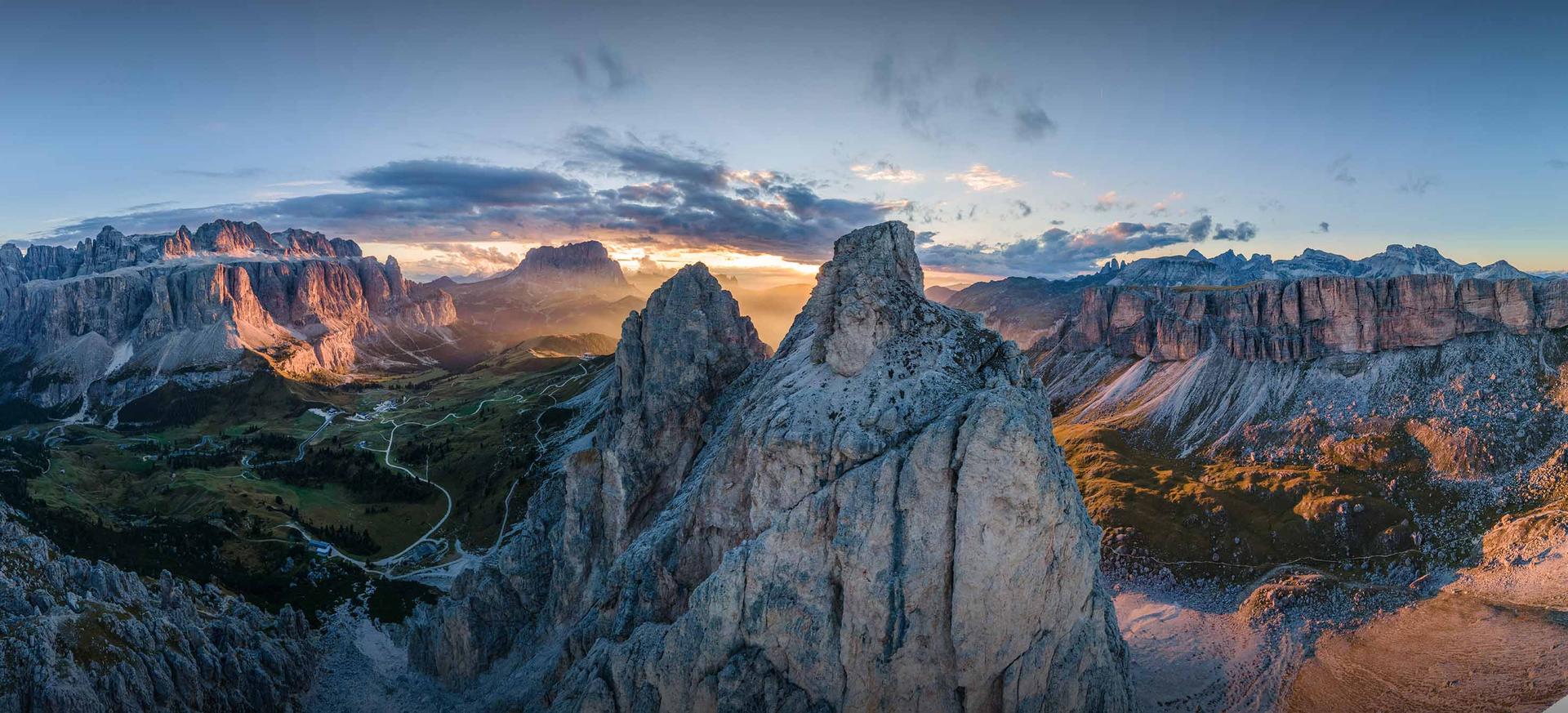
In this scenario, Italy continues to play an important role. Two of the five races on the 2027 calendar will be held in our country, first on Garda and then on the Dolomites.
It's not just a numbers game.
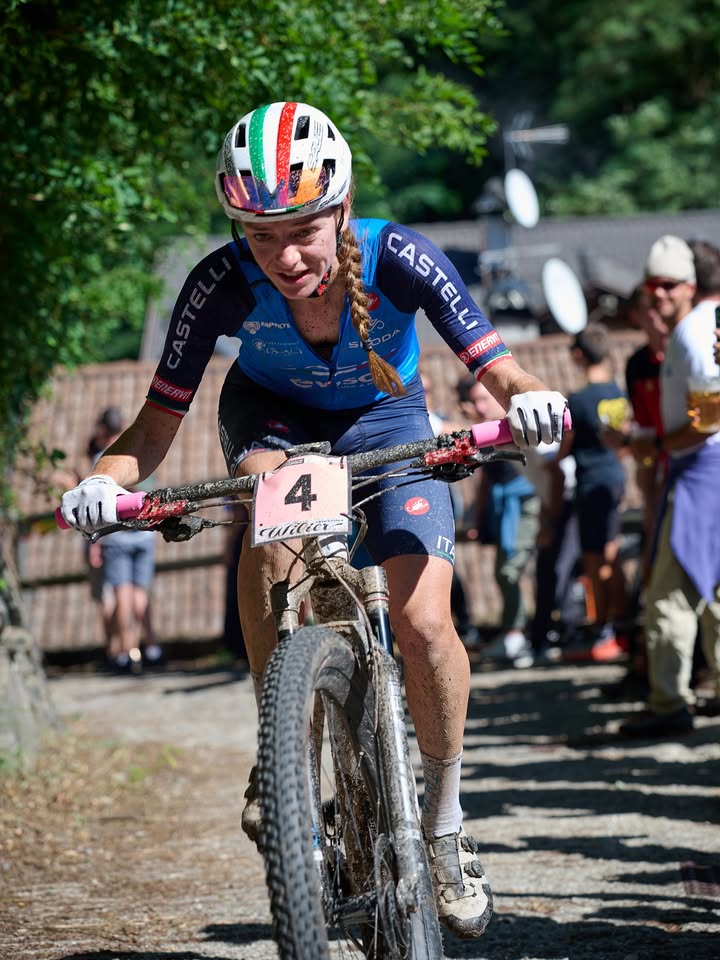
The Italian marathon world has demonstrated over the years that it is capable of producing very high-profile performers and, in our opinion at 365, Claudia Peretti, world vice-champion, represents one of the strongest testimonials of the discipline today.
An athlete capable of expressing, through her performances and her approach to the sport, how marathon running can be both competitive and adventurous, a quest for results and the ability to tackle courses that require much more than just speed.
The presence of two Italian events on the world calendar also tells us something else: our country has a deeply rooted competitive culture and, at the same time, the ability to organize events of international standing.
A race can tell the story of a territory

And this is perhaps the most interesting passage for those who observe the phenomenon beyond the results.
A great marathon doesn't just come alive on race day. It brings hundreds or thousands of people to discover forest roads, trails, mountains, and valleys. It creates a cycling destination in the imagination and can leave something behind even after the starting arches, barriers, and stopwatches have been dismantled.
Competition, challenge and environment thus become three elements of the same story.
A story capable of intriguing and engaging even those who have no intention of putting a number on their bike.
Because anyone who sees a marathon pass by on Lake Garda, in the Dolomites, in the Pyrenees, or in the Black Forest can return a few months later simply to ride. Perhaps without a time trial, without a ranking, and without worrying at all about their final position.
And this is precisely one of the most interesting effects of events of this type: using competitive spirit as an element capable of drawing attention to an area and then transforming that attention into knowledge, attendance, and culture of cycling.
HERO UCI Cross-Country Marathon World Cup 2027
The calendar will start on May 1st with the Garda Trentino Bike Marathon in Riva del Garda, to continue the May 23 with Naturland Andorra, June 12th with HERO Südtirol Dolomites in Selva Val Gardena, July 25th with the Black Forest ULTRA Bike Marathon in Kirchzarten and close the September 19th with La Tramun Sea Otter Europe in Girona-Costa Brava.
Five events and four nations. But above all, five different ways of interpreting the same idea.
Because perhaps it is precisely here that the marathon still retains a particular strength: the race is important, but it does not exhaust the meaning of the experience.
There's the comparison with others. There's the comparison with the stopwatch. And then there's an even more difficult one to measure: the comparison with oneself.
Everything else—mountains, forests, trails, and the terrain we traverse—isn't just the backdrop. It's part of the race.