THINK ABOUT IT | Technological evolution has transformed mountain bikes into extraordinary machines. But with new standards, increasingly sophisticated components, and rising prices, are we sure that progress is still working to the benefit of cyclists?
Mountain biking is, by its very nature, a constantly evolving sport. Perhaps no other cycling sector has undergone such profound technical transformations in such a relatively short period.
Just put a twenty-year-old MTB next to a modern trail or enduro bike to see it. Geometry, wheel diameters, suspension, brakes, drivetrains, frame stiffness: practically every element has changed.
And let's say it right away: Today's mountain bikes are better. Much better.
They're more stable, more capable, and more effective on difficult terrain. They allow you to tackle routes that once required advanced technical skill and offer a level of control that previous generations could only imagine.
But precisely because we recognize the value of this evolution, the time has come to ask ourselves a less obvious question.
How much of what is presented to us as innovation represents real progress and how much, instead, responds to the industry's need to continually propose something new?
And above all: how much is this race costing us?
When innovation really changes things
It would be wrong to dismiss technical evolution as a simple marketing operation.
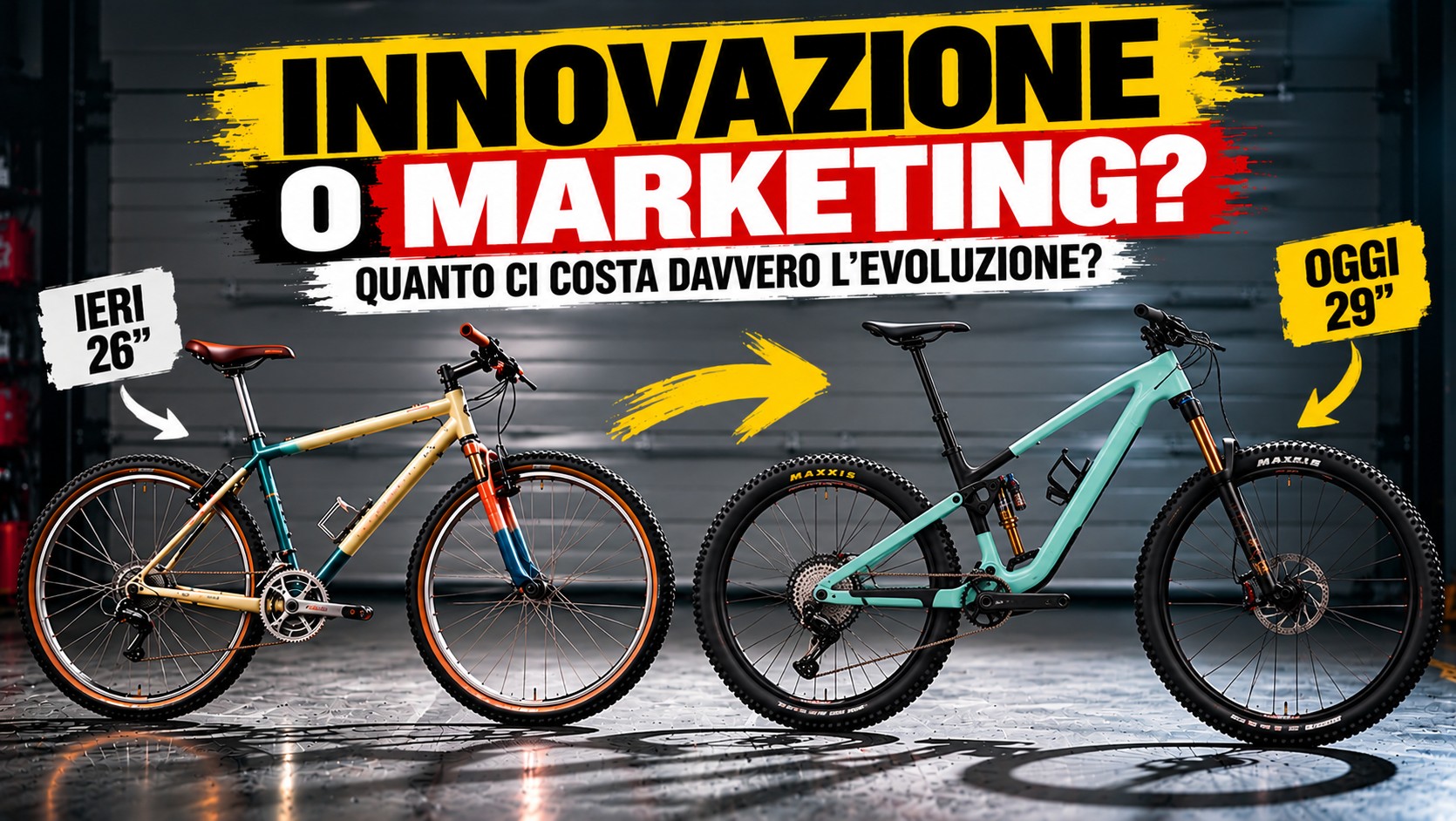
The switch from 26- to 29-inch wheels, for example, has brought tangible advantages in terms of overcoming obstacles, maintaining speed, and handling on a variety of terrain. This doesn't mean a 29er is always superior in every situation, but it's hard to deny the importance of this change.
The same goes for geometries.
Longer frames, slacker head angles, steeper seat tubes, and different weight distribution have transformed the handling of bicycles. The evolution of materials, structural design, and construction solutions has allowed the creation of frames capable of handling significant loads, even in the steering area, with geometries that in the past would have been difficult to achieve with the same levels of reliability and performance.
Then there are the suspensions.
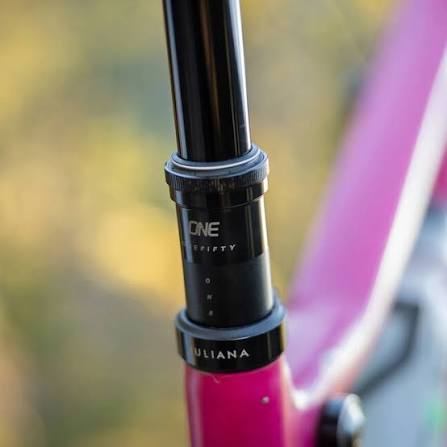
Larger diameter stems, stiffer structures, thru-axles, and advanced shock absorber interfaces and mounts have contributed to improved precision and control. Structural rigidity, when properly designed, helps limit unwanted deformation and maintain more consistent suspension performance under load.
Added to this are more refined hydraulics, more powerful and modulable brakes, better tires and wheels capable of combining characteristics that once seemed irreconcilable.
These are real advances that have changed the way we drive.
The problem, then, isn't innovation. The problem arises when every innovation is portrayed as indispensable.
From technical improvement to the need for change
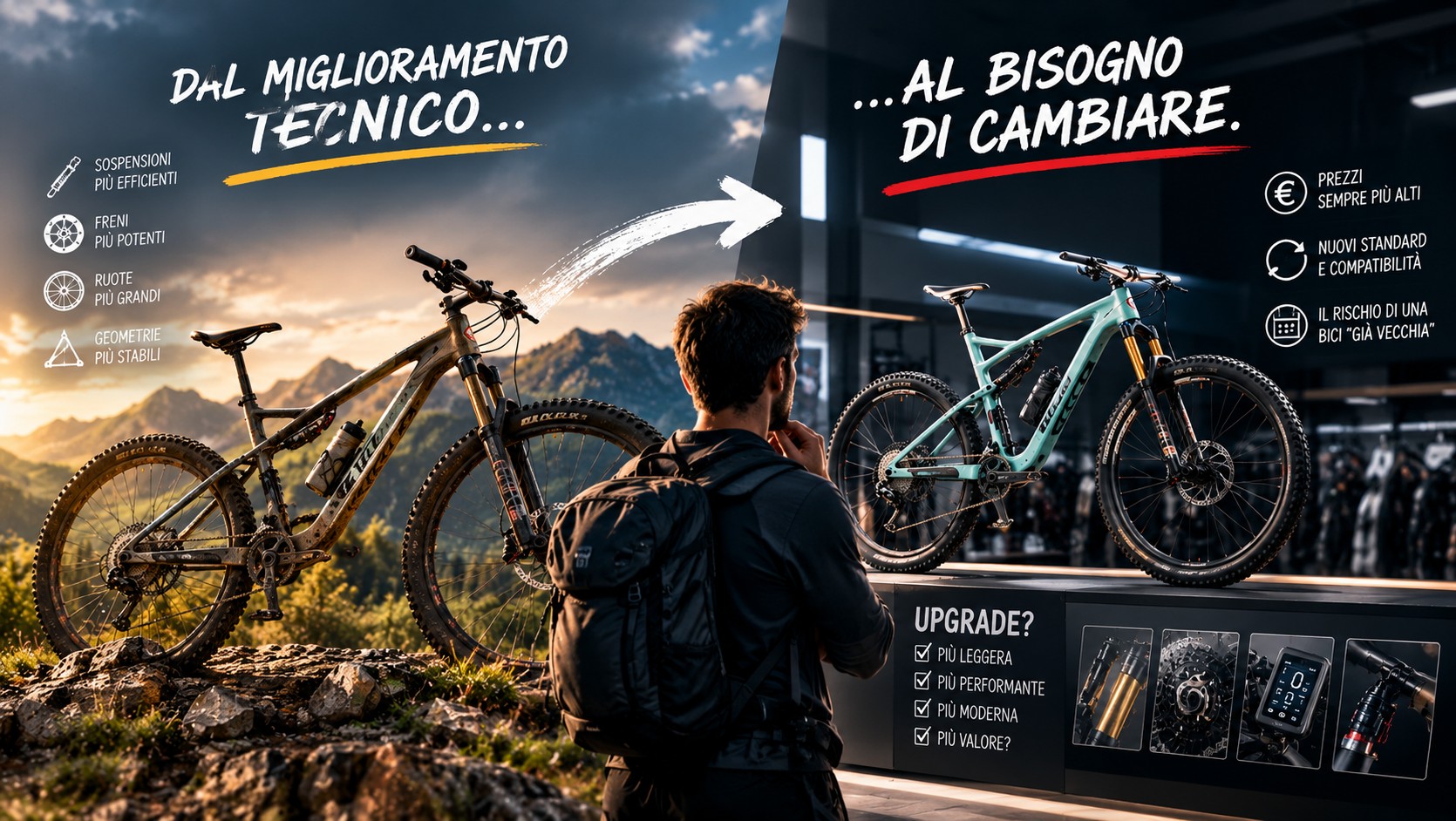
Every season brings something new.
A different diameter, a new interface, a modified stem, a drivetrain that requires a compatible frame, an integrated solution that promises aerodynamic, structural or aesthetic advantages.
Individually, many of these innovations may have a technical justification.
But let's look at the problem from the biker's point of view.
How often does a new standard make it more difficult to update a perfectly functional bike? How often does a component become difficult to replace because the market has shifted to a different solution?
And how often do we come across a technology that offers a measurable improvement, but is difficult to perceive during a normal outing?
Not everything new is useless. But not everything new is necessary.
There is a huge difference between an innovation that makes cycling more efficient, safe, or reliable and one that adds complexity without a commensurate benefit to the user.
Yet, in commercial communication, this distinction often tends to disappear.
The new solution is presented as the next step. The previous one suddenly seems outdated.
Even when it still works great.
The hidden price of evolution
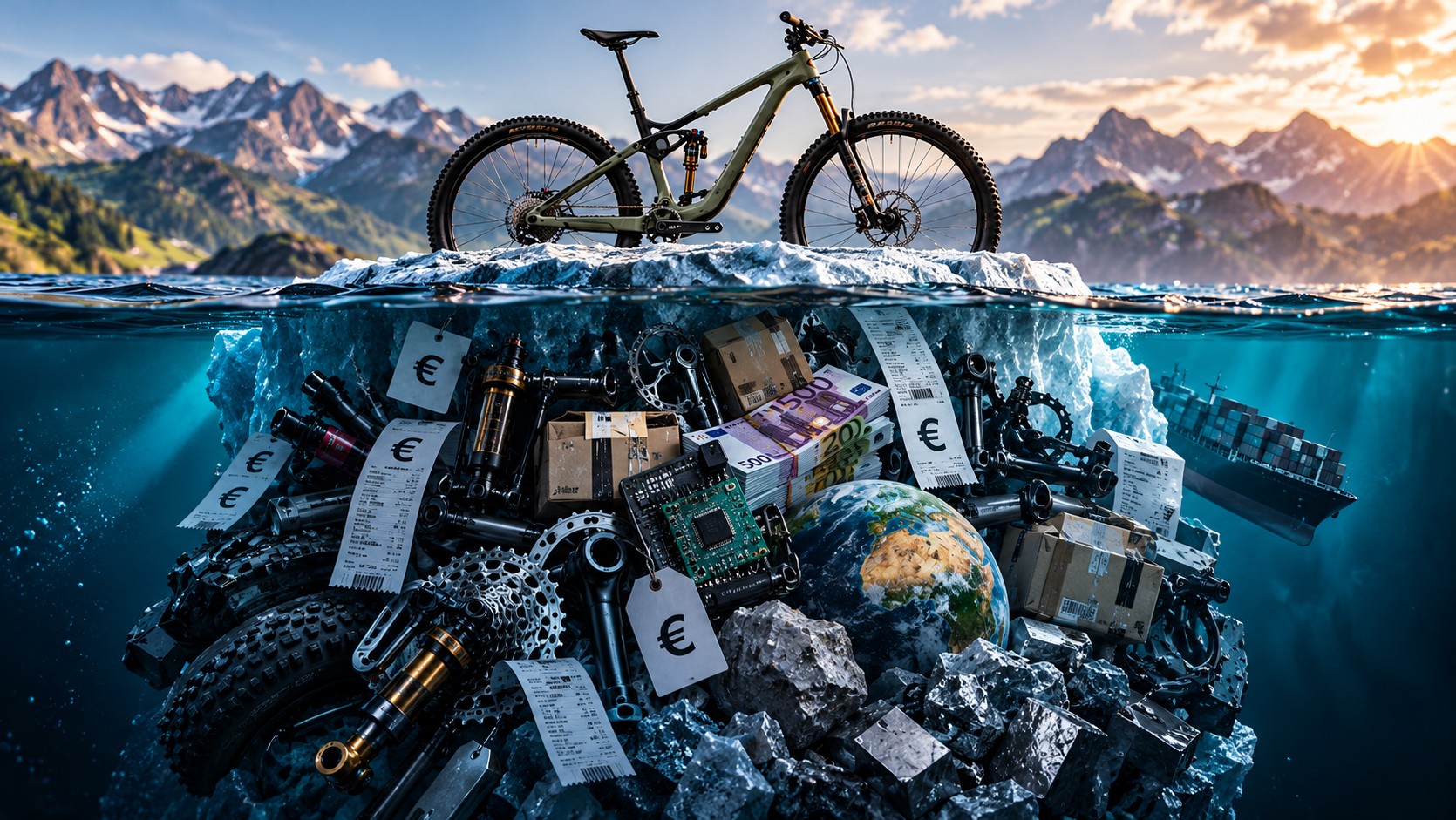
When we talk about the cost of a mountain bike, we almost always think of the purchase price.
But the cost of innovation doesn't end on the price tag.
Includes maintenance, spare parts, compatibility, upgradeability, and durability.
A technically advanced bike may be easier to use, but not necessarily easier to own.
If a new standard makes it impossible to reuse still valid components, if a proprietary solution forces you to turn to a single manufacturer, or if a repair requires expensive and hard-to-find parts, the biker pays a price that goes beyond the initial one.
Of course, we can't automatically attribute price increases to new technologies. Materials, labor, logistics, distribution, inflation, and marketing strategies all contribute to determining the final cost of a mountain bike.
But it's legitimate to ask how much of an impact ongoing research, the introduction of new standards, and product complexity have.
And above all, if the benefit obtained is always proportionate to the cost required.
Because a progress that improves the bike, but makes it harder to afford, is not necessarily progress for the entire movement.
32-inch wheels: the next revolution?
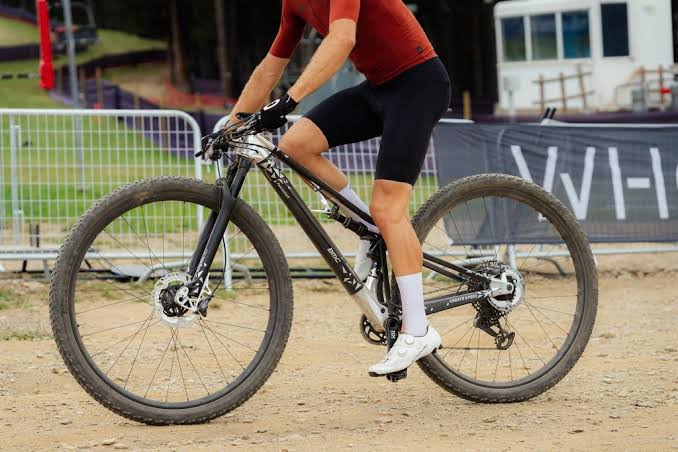
The discussion about 32-inch wheels is a perfect example.
After the move from 26 to 27,5 and 29 inches, the industry is exploring even larger diameters.
Could they offer tangible advantages in certain conditions? They certainly can. The larger diameter can impact obstacle clearance, stability, and speed maintenance, but it also involves compromises in terms of size, weight, geometry, and handling.
Will they be better than the 29s? It will depend on the discipline, the project, and the biker.
The question, however, is another.
Do we really need every possible technical advantage to become a new commercial standard?
If tomorrow a 32-incher was faster on a certain course, would that suddenly make 29ers obsolete?
Or would we simply have a new option, useful to some and irrelevant to many others?
The risk isn't that the industry will experiment. It must continue to do so.
The risk is turning every successful experiment into a new requirement to feel up to date.
Does the biker really want to keep changing bikes?
For years the sector has fueled the desire to own an increasingly high-performance vehicle.
And it's understandable. A new bike excites, intrigues, and invites you to go out and test yourself.
But is there a limit beyond which the desire to update can turn into frustration?
A modern MTB can cost several thousand euros. High-end models can reach even higher prices.
For an enthusiast, frequently changing bikes can become financially demanding. For those who want to start, the perceived price of the equipment can be a barrier.
This doesn't mean you need to spend that kind of money to go mountain biking. The used market and more affordable models offer valid alternatives.
But communications in the sector inevitably tend to focus on the most innovative, sophisticated and expensive products.
The message that is likely to be conveyed is simple: to fully experience this sport, you need a bike that is always up-to-date.
What if it was precisely this message that was driving away some potential fans?
How much does technology contribute to the market crisis?
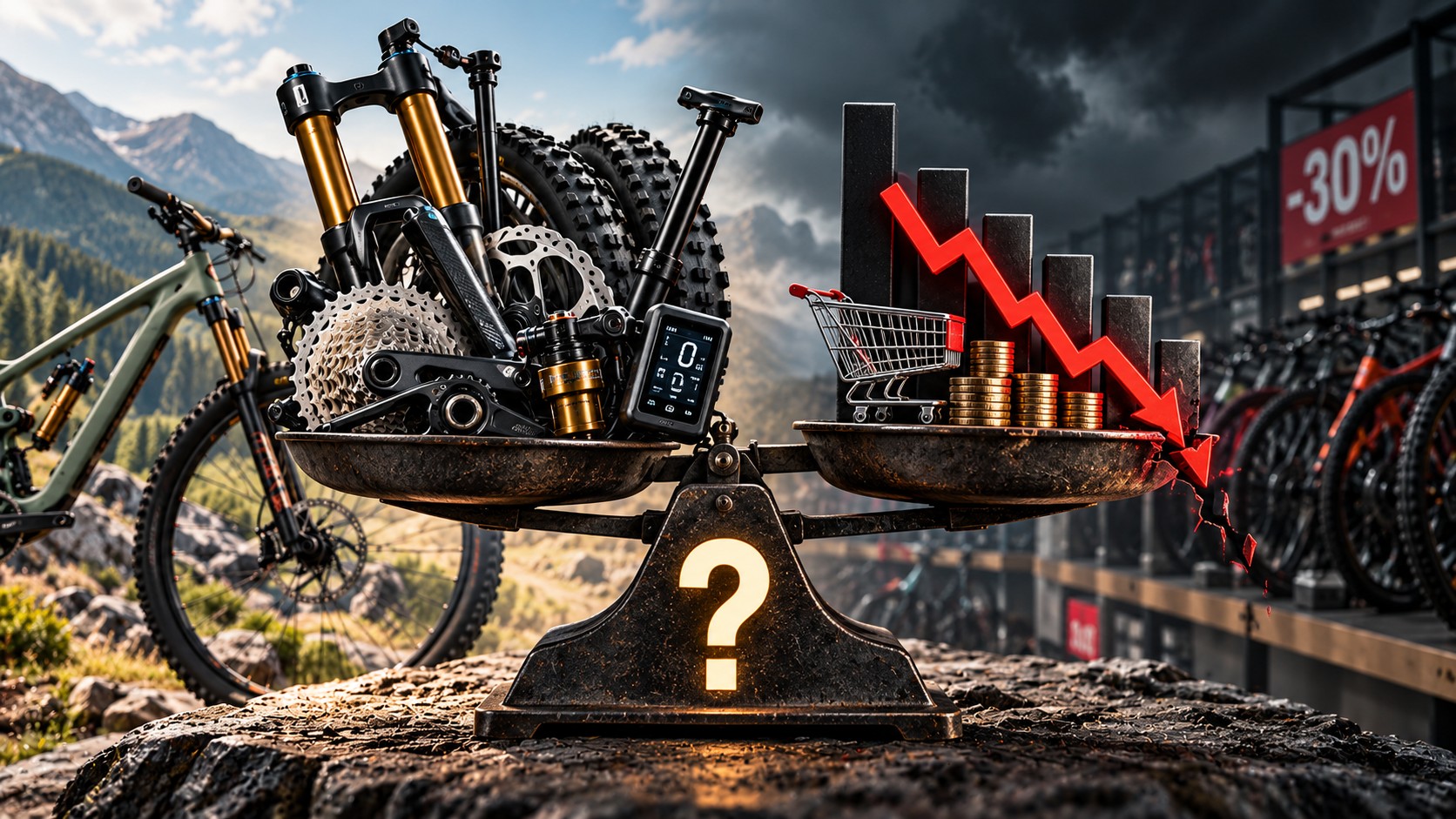
The bicycle sector has gone through a difficult period in recent years, following the exceptional growth recorded during the pandemic.
Overproduction, high inventories, promotions, reduced demand, and difficulties faced by several operators have shown how complex it is to maintain a balance between innovation, production, and purchasing power.
It would be incorrect to argue that the new standards caused this crisis. We don't have enough evidence to establish a direct cause-and-effect relationship.
But we can ask ourselves a question.
Is an industrial model that needs to continually present new solutions, new products, and new reasons to change bikes sustainable in the long term?
And above all, is it sustainable for the consumer?
If technological progress increases performance but contributes to a perception of continued obsolescence, the risk is that part of the public will stop chasing novelties.
Or, worse, decide that mountain biking has become too complicated and expensive.
It wouldn't just be a commercial defeat. It would be a loss for the entire movement.
Have we forgotten why we buy a mountain bike?
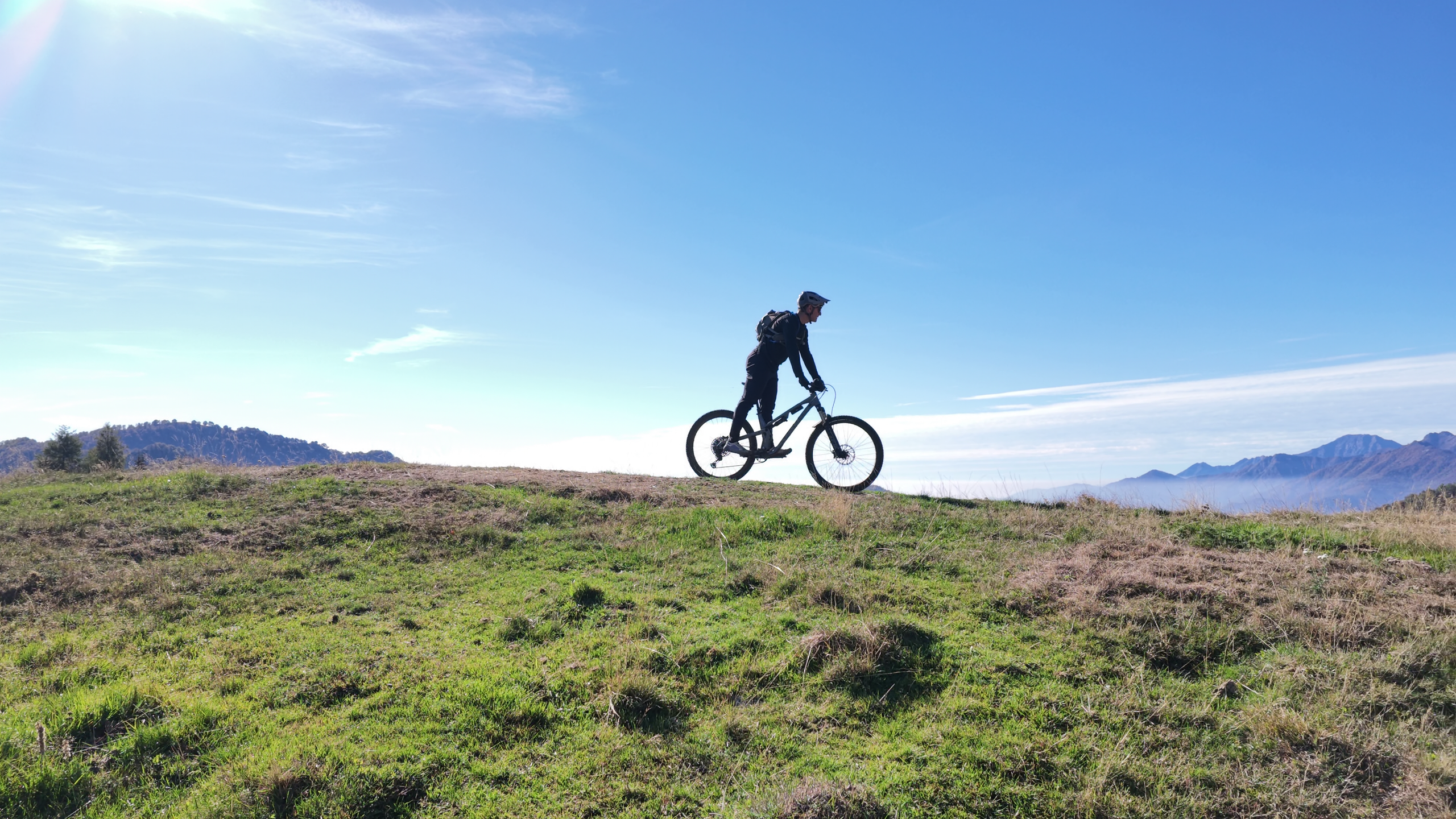
Perhaps, by dint of talking about steering angles, stem diameters, torsional stiffness, kinematics and standards, we have lost sight of something.
The reason people get into mountain biking.
There are those who seek performance, those who love racing, and those who want to push their technical limits. And it's only right that increasingly advanced bicycles exist to meet these needs.
But for many bikers, mountain biking is above all something else.
It's leaving in the morning without knowing exactly where we'll arrive.
It's discovering a path, crossing a forest, reaching a view, travelling.
It's getting out of the daily routine.
It's sharing an experience with friends, joining a community, rediscovering that feeling of freedom that made us fall in love with two wheels.
To experience all this, how much does it really matter whether our fork stems measure 35, 36 or 38 millimetres?
How much would our experience change if the next bike had 32-inch wheels instead of 29?
For some, under certain conditions, a lot could change.
For many others, probably much less than the technical data sheets suggest.
And this doesn't mean rejecting progress. It means putting it back into perspective.
Real progress should get more people on the trails
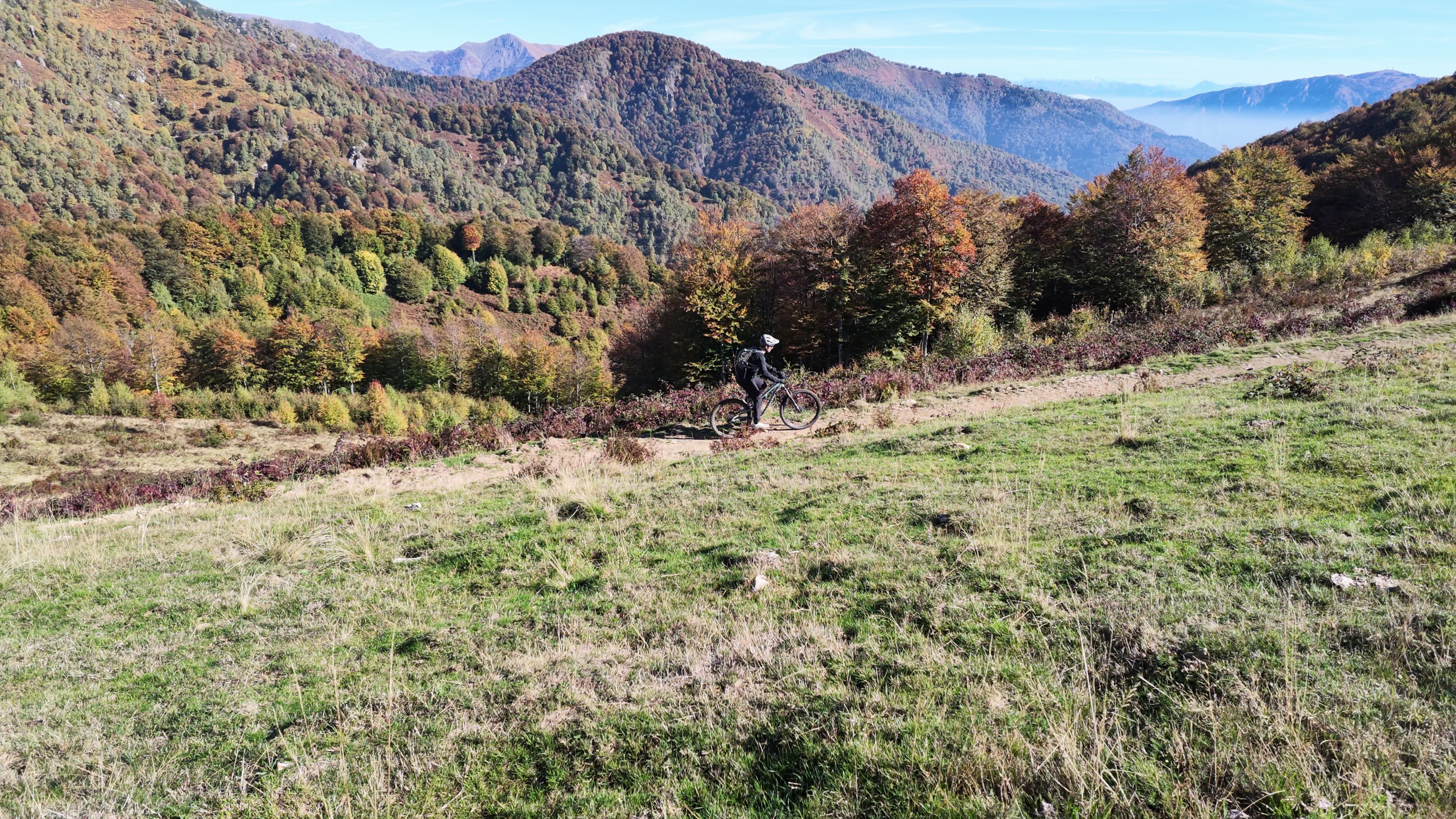
Mountain biking must continue to evolve.
We need research, experimentation, better materials, more effective suspensions, and increasingly safe and reliable bicycles.
But maybe we should start measuring progress in another way, too.
Not just asking how fast a bicycle has become, but how accessible it has become.
How long it lasts.
How simple it is to keep it running efficiently.
How much it allows a young person to get closer to this sport, a family to practice it together or an enthusiast to continue cycling without having to continually invest in new components.
Because if technological evolution makes MTBs extraordinary, but contributes to alienating those who would like to use them, we must ask ourselves who we are really innovating for.
A better mountain bike shouldn't just be one that lets you go faster. It should also be one that lets more people go further.
And perhaps, after years spent wondering how much better our bikes can still be, the time has come to ask ourselves how much better we can be in the way we experience mountain biking.
THINK ABOUT IT — Let the bikers speak
Have the innovations of recent years really improved your mountain biking experience? Or do you feel like the industry is introducing too many standards, making bikes more expensive and complicated to maintain?
What's the latest innovation that truly changed the way you ride? And which one would you have happily avoided?
Let's talk about it in the comments.